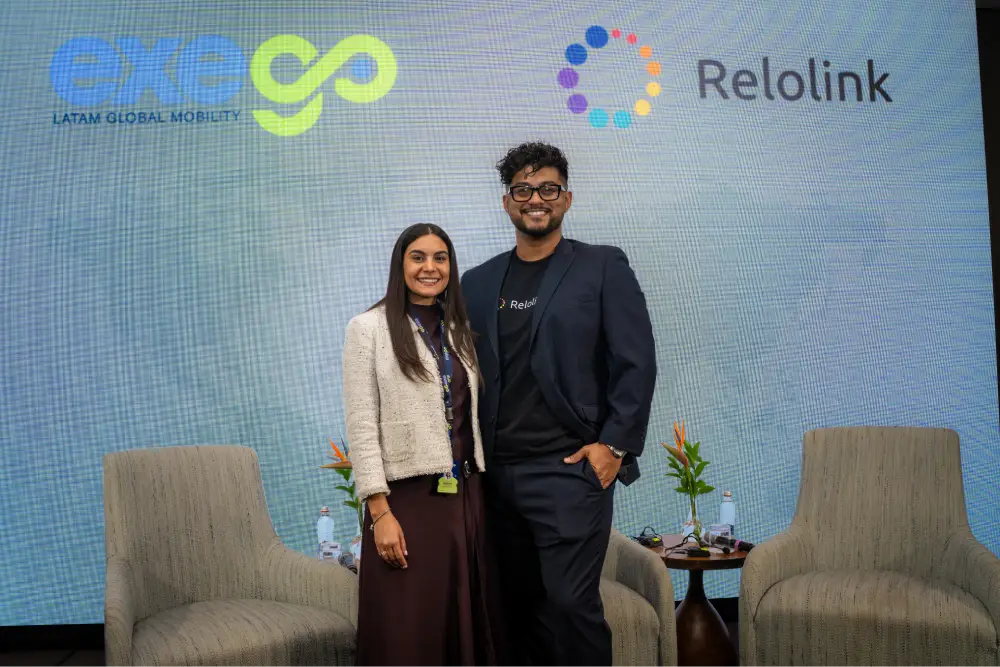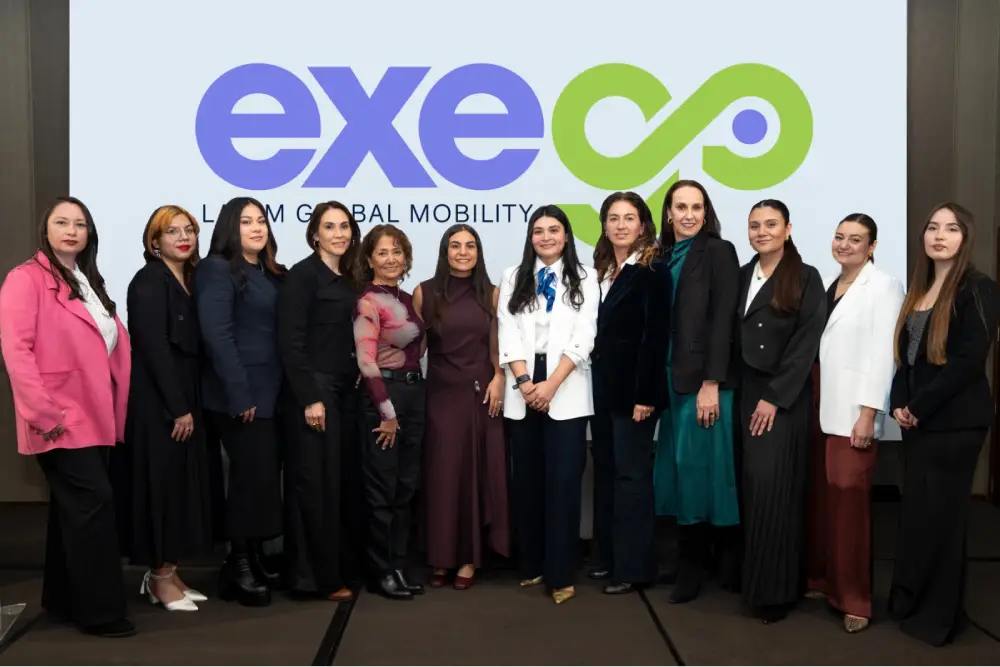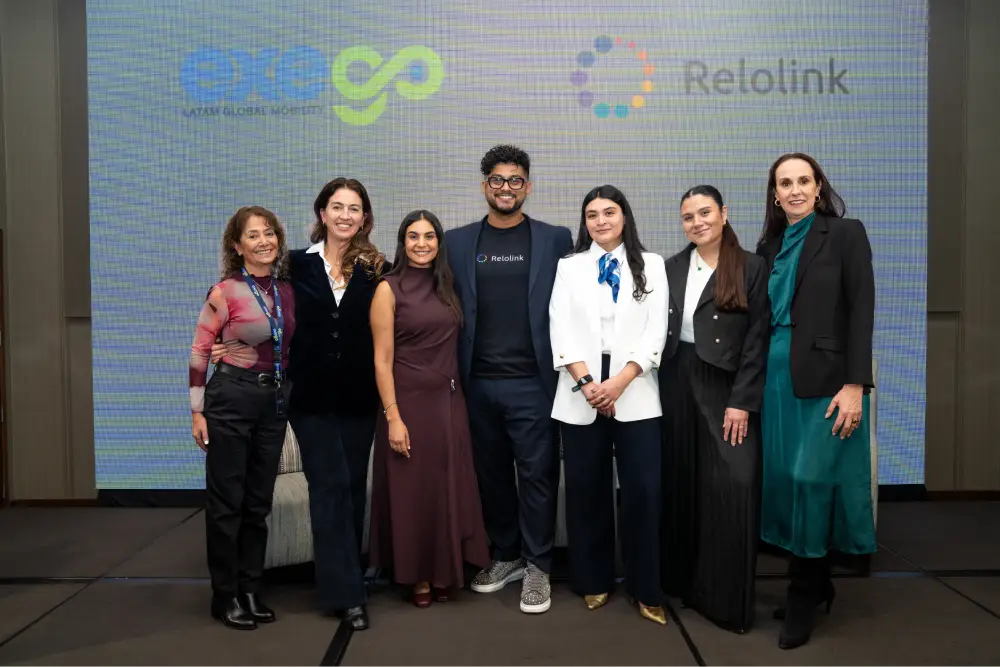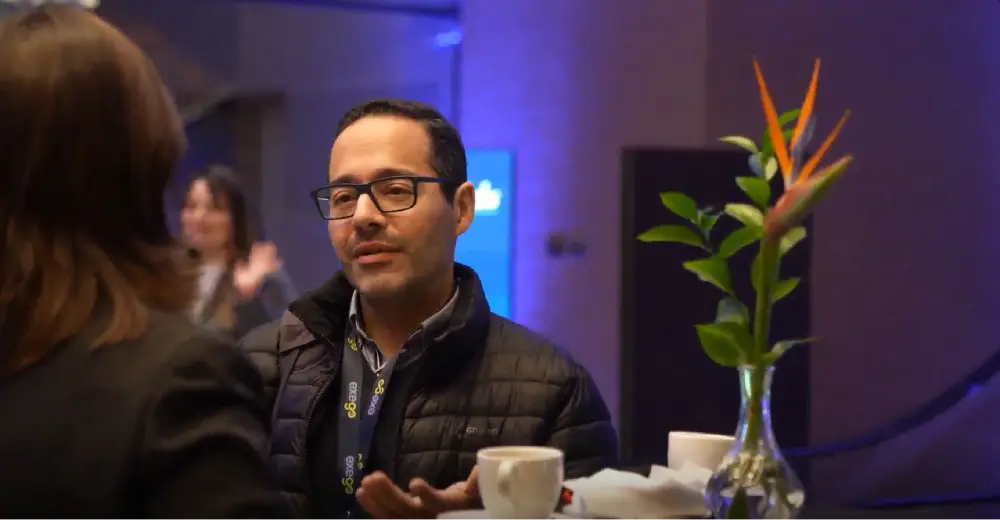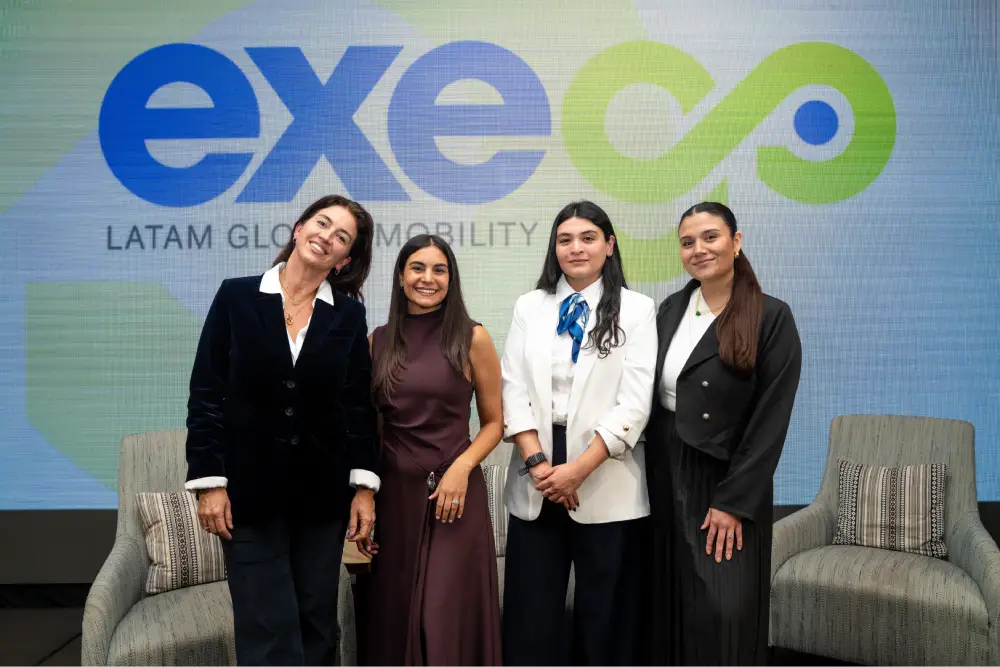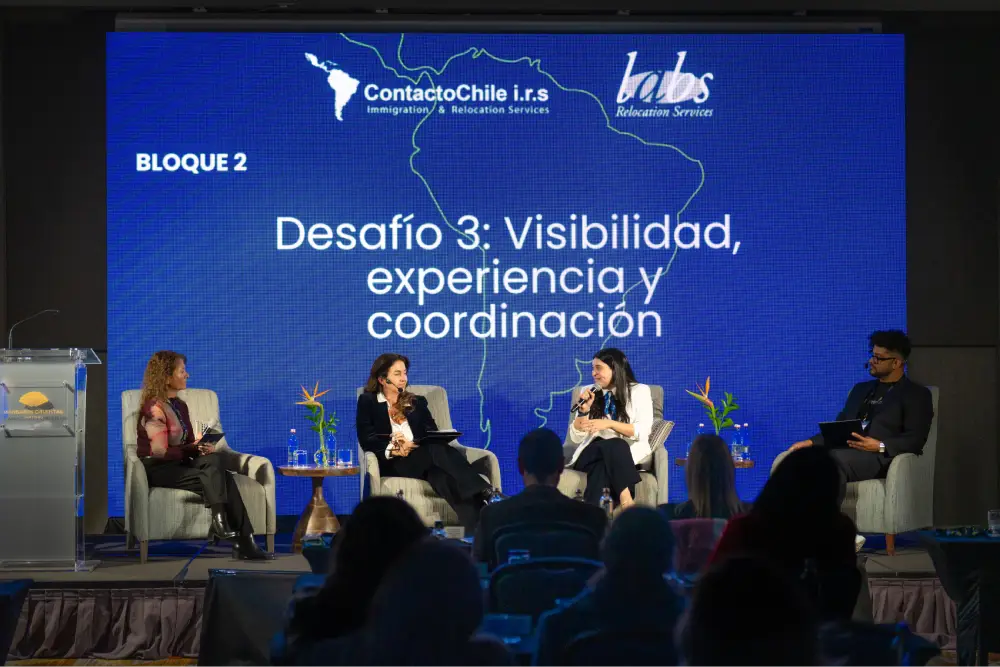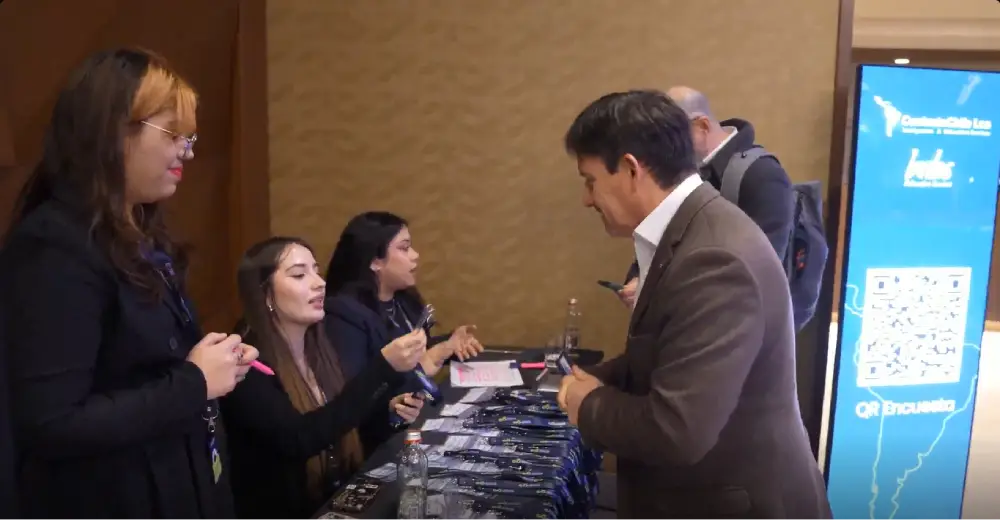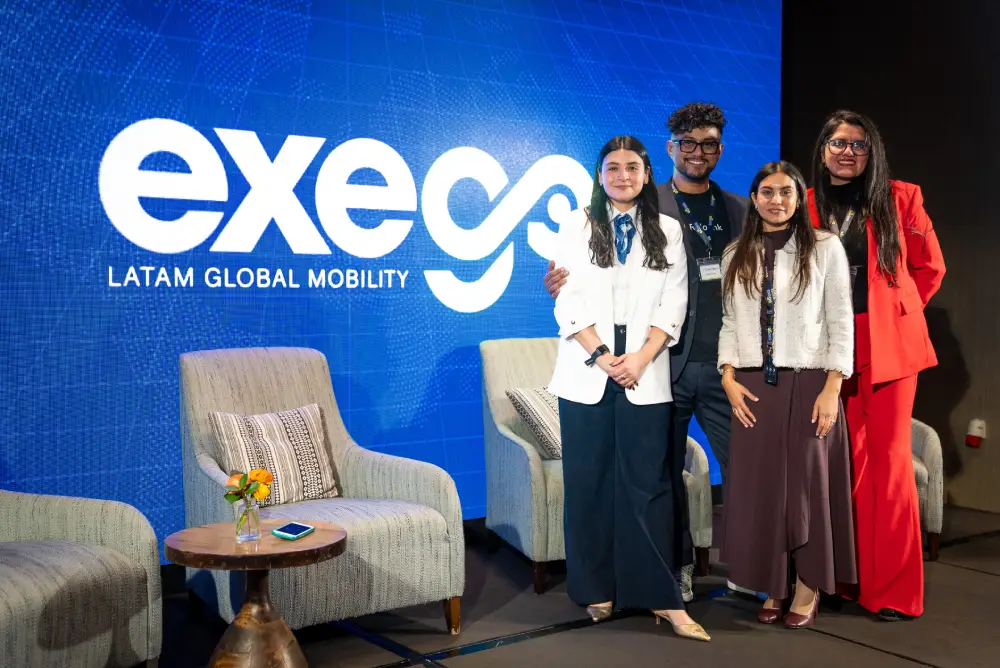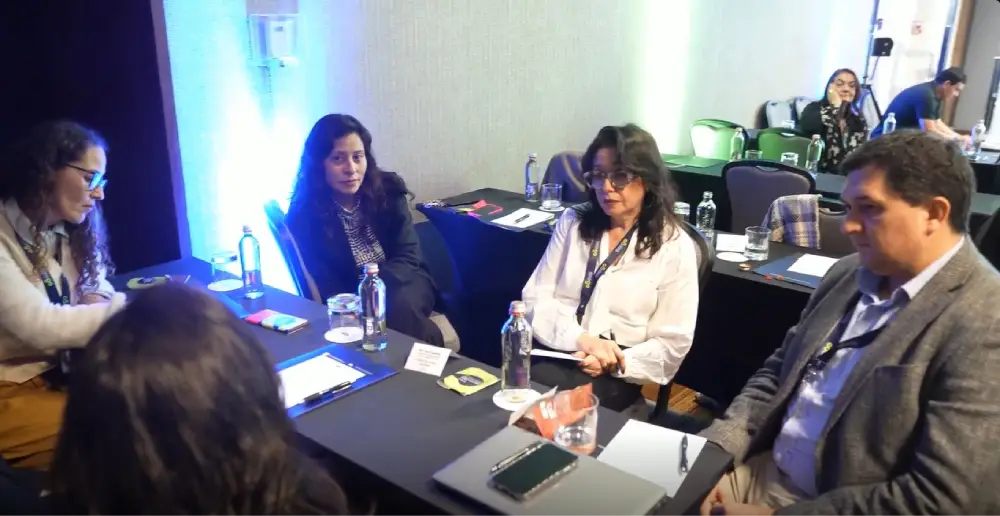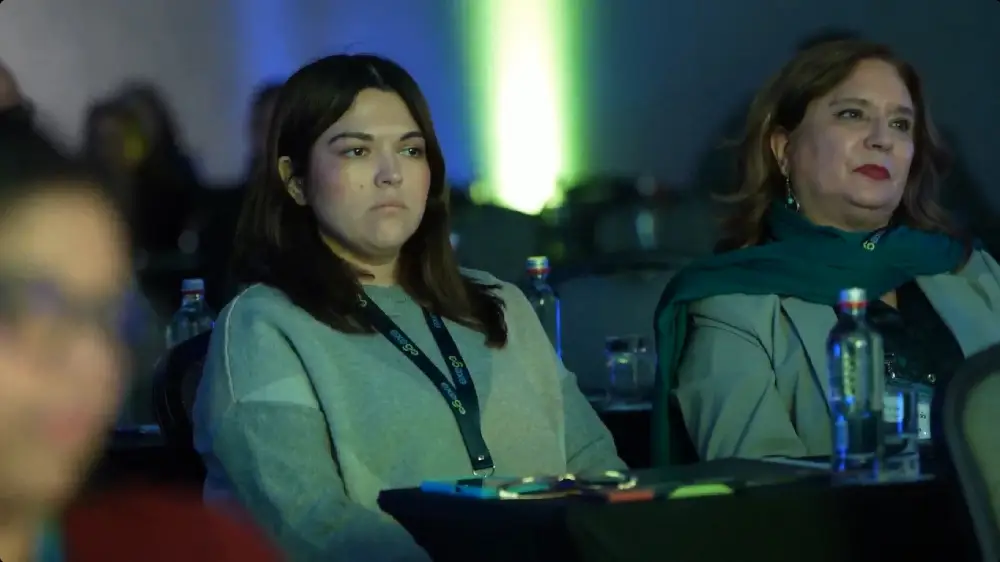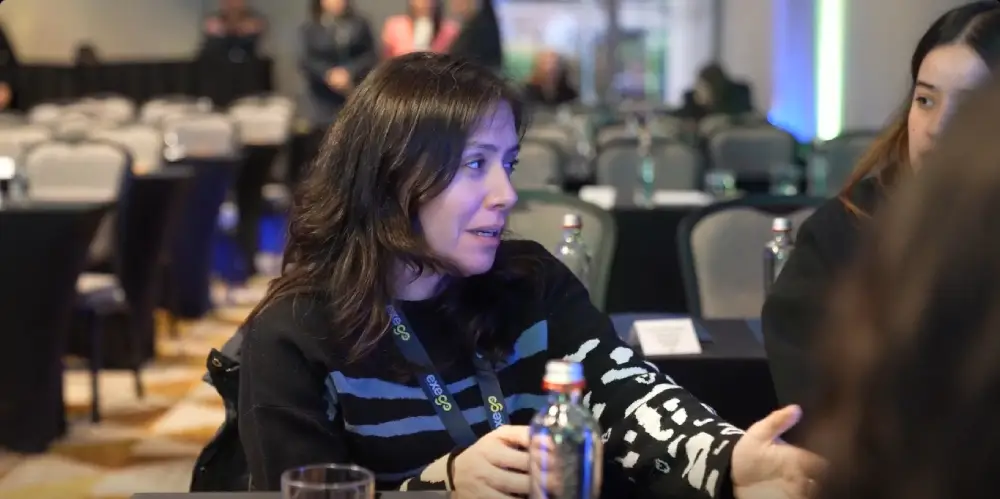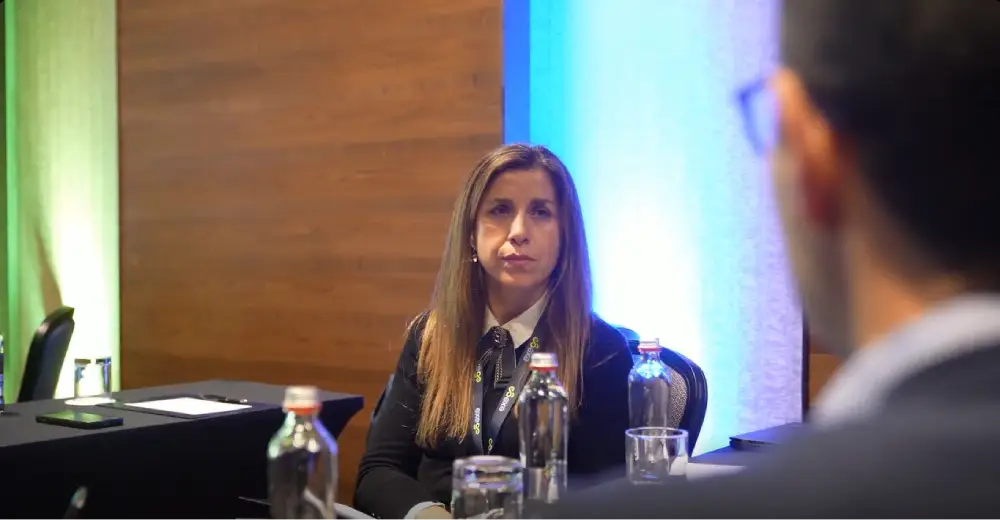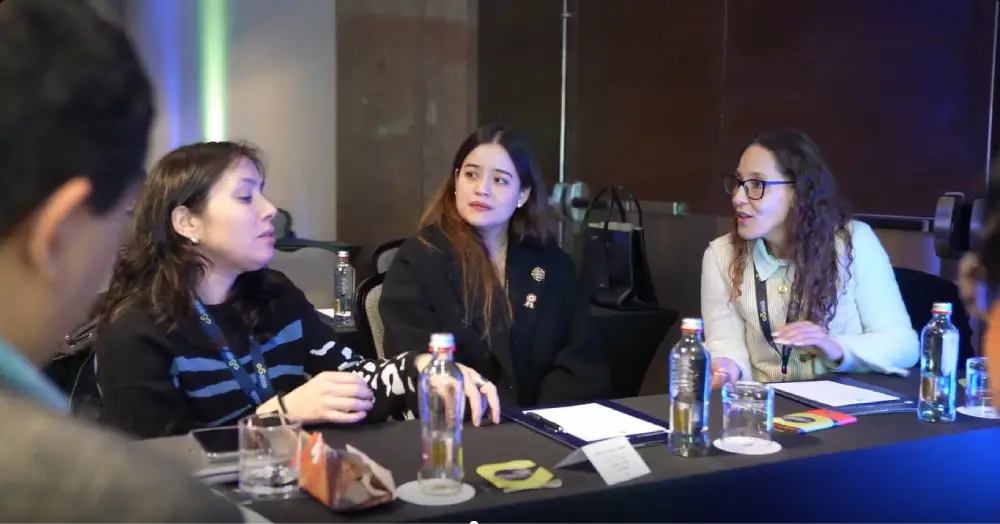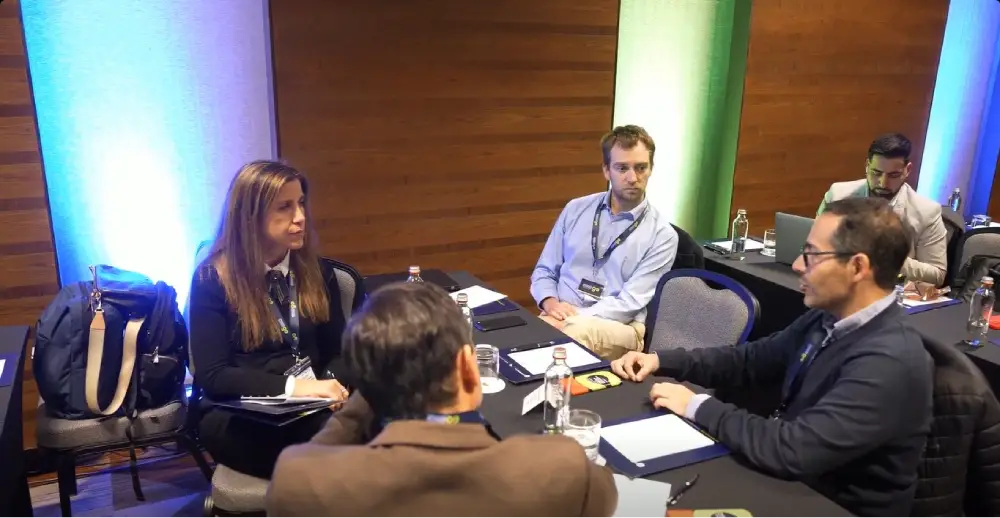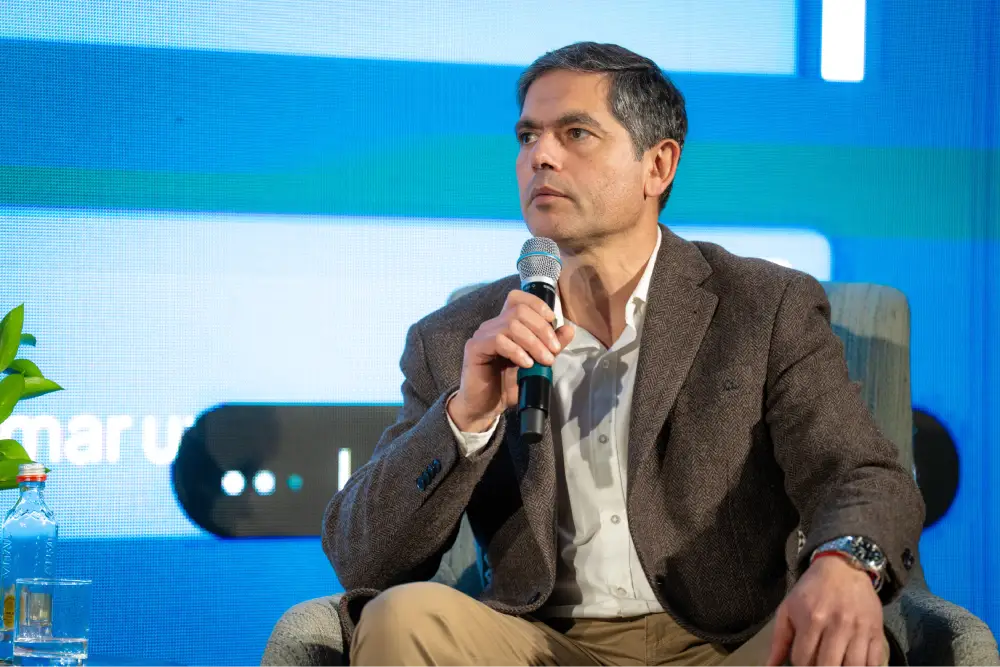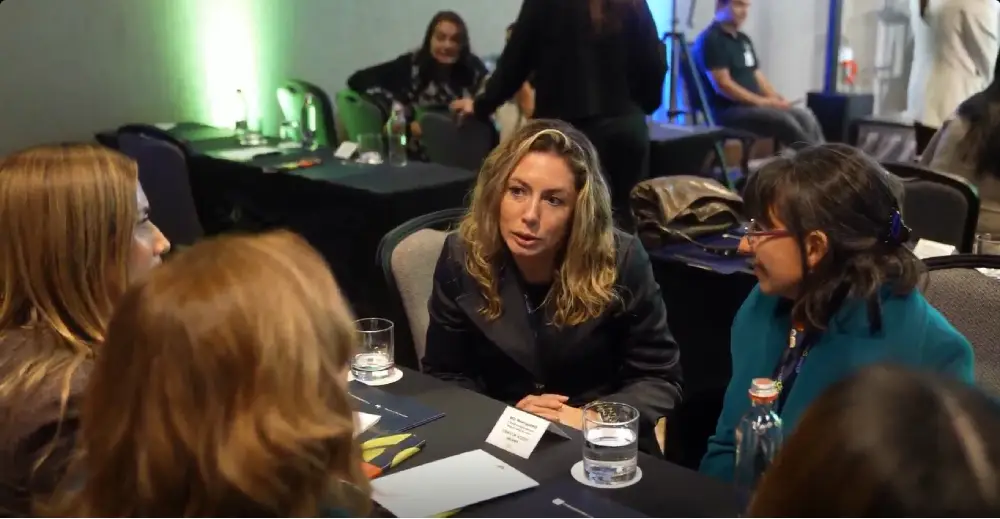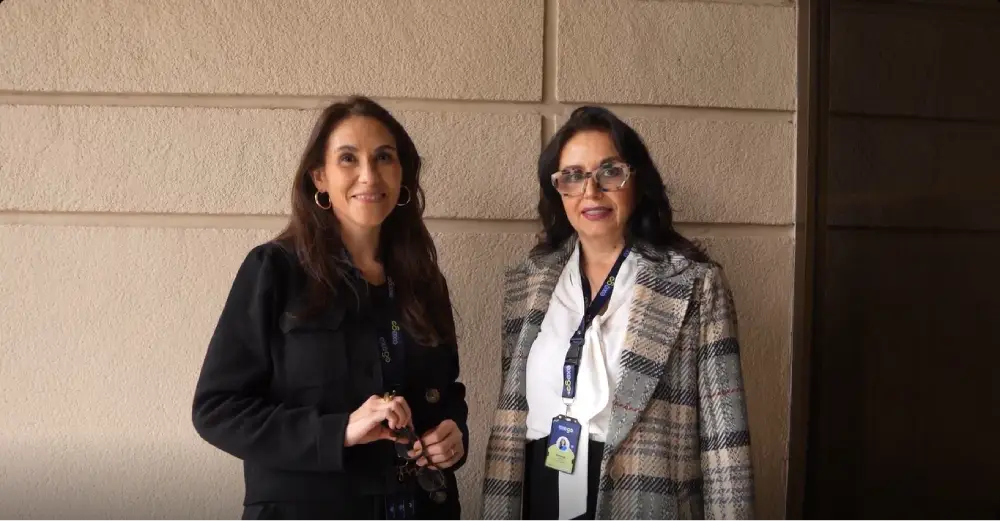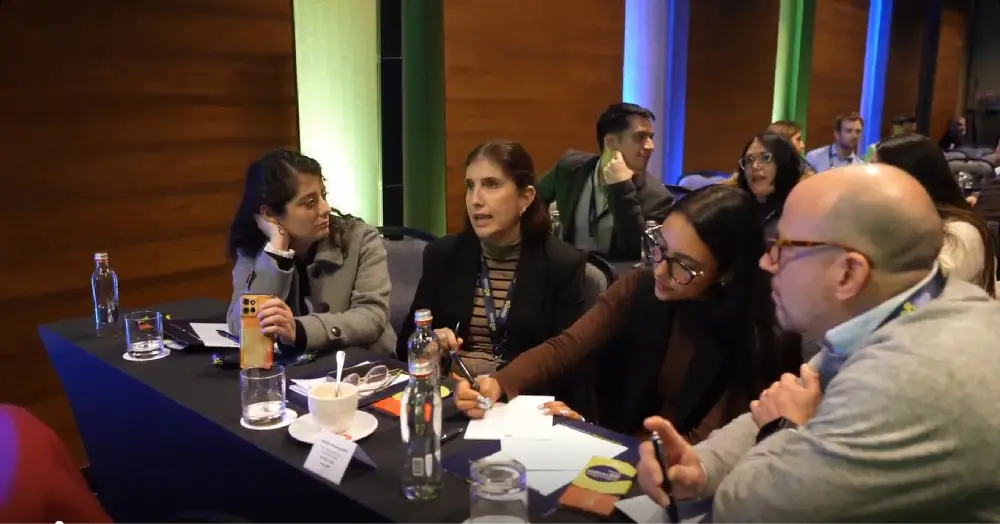


On July 28 we had a very special day. At the Mandarin Oriental Santiago we brought together clients, partners and professionals from HR, Global Mobility and Relocation to talk about the present and the future of global mobility in Latin America.
More than the launch of a new brand, it was a chance to start a conversation, share experiences and reflect on how global mobility is evolving in the face of increasingly global organizations, more diverse workforces and a constantly shifting regulatory environment.
The engagement of everyone who attended, the quality of the discussions and the exchange of experiences confirmed something the whole industry now recognizes: global mobility has stopped being a purely operational function and has become a strategic element in developing talent and growing organizations.
The themes that shaped the conversation
Over the course of the day we addressed some of the main challenges companies face when managing international talent.
One central theme was the importance of anticipating regulatory change and strengthening immigration compliance as part of a solid, sustainable mobility strategy.
We also looked at how organizations need to manage their processes from a regional perspective while retaining the local knowledge each market demands. Coordination between countries, consistency of processes and the ability to adapt to the particularities of each destination are now critical to the success of an international assignment.
Technology featured prominently too. Organizations are looking for greater visibility, traceability and control over their mobility programs, enabling more efficient management and a better experience for both HR and employees.
Finally, we highlighted something that has become decisive: the success of an assignment doesn’t depend on immigration compliance or logistics alone. The experience of the individual and their family throughout the process has become a fundamental component of successful integration and a better experience for international talent.
Sharing experiences that create value
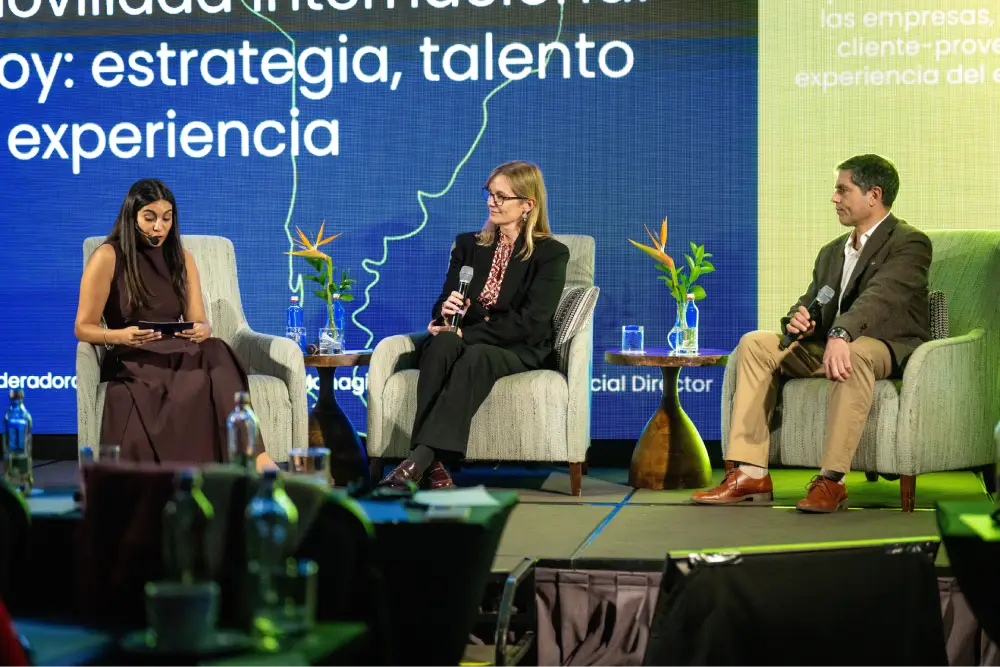
One of the most rewarding parts of the day was the exchange of experiences between the different players in the global mobility ecosystem. Rather than a series of presentations, the event became an open conversation about the challenges organizations face when managing international talent.
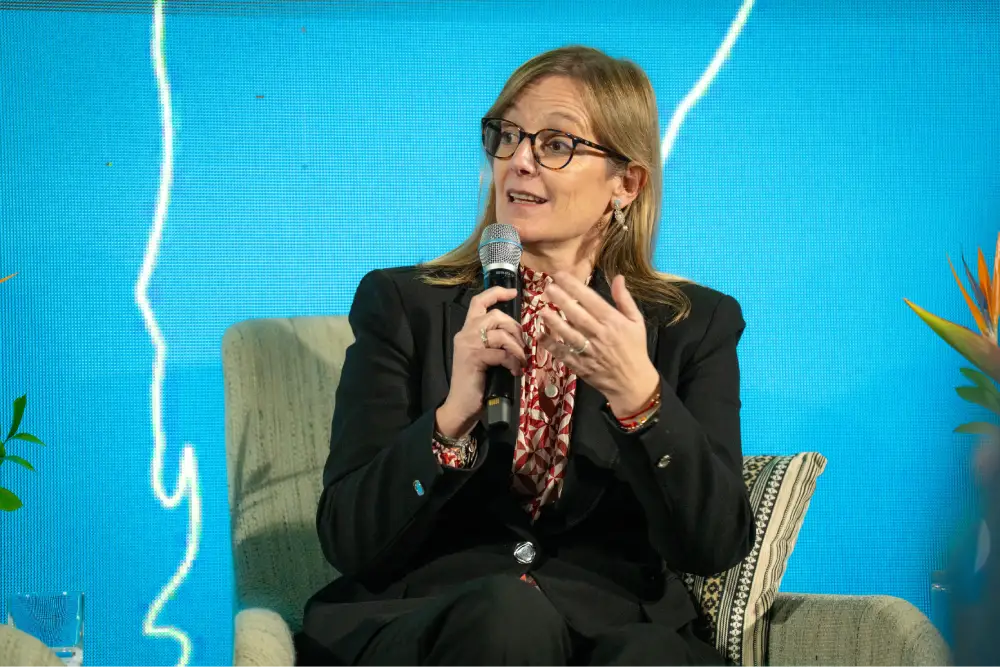
Marta García, of Beiersdorf, shared a strategic view of mobility as a tool for developing talent, strengthening leadership and supporting the growth of organizations. Drawing on her experience in HR, she stressed how important it is for mobility to evolve from an operational function into a genuine business enabler.
Ariel Dotti, Operations and Supply Chain Manager for the Andean Region at Grupo Arcor, brought the business perspective, underlining the need for mobility processes that are agile, coordinated and aligned with the operational needs of organizations managing teams across different markets.
The conversation was enriched further by the active participation of those attending. Through a collaborative session, professionals from HR, Global Mobility and Relocation shared the challenges they face day to day in managing international talent: from regulatory uncertainty and the need to balance compliance with agility, to regional coordination, the employee experience and the growing demand for technology that delivers visibility and efficiency.
The exchange made it possible to pool experiences, identify shared challenges and generate a valuable conversation about the best practices now defining the future of global mobility in Latin America.
Best practices for a more strategic approach to global mobility
Among the day’s main conclusions, several practices stood out as making a real difference in global mobility programs today:
- Anticipate regulatory change and manage compliance proactively.
- Design mobility policies with a regional view, supported by local knowledge and local execution.
- Adopt technology that delivers visibility, traceability and data for better decision-making.
- Keep constant coordination between HR, suppliers and business leaders.
- Put people at the center of the experience, supporting both the employee and their family throughout the mobility process.
A new chapter for global mobility
The event also marked the official start of Exego Global Mobility, an evolution that brings together the experience and track record of ContactoChile and LABS Relocation Services under one regional identity.
With a presence in Chile, Argentina, Uruguay and Bolivia, Exego was created to offer global mobility that is more integrated, more connected and more people-centered, combining regional coordination, local execution, technology and support throughout the entire process.
Because global mobility is no longer only about moving people between countries. It is about connecting talent, opening up new opportunities and supporting every stage of an experience that affects both organizations and the people living through that change.
Thank you for joining us
We want to thank everyone who was part of the day. Your participation, enthusiasm and willingness to share experiences made this event a real space for learning and collaboration.
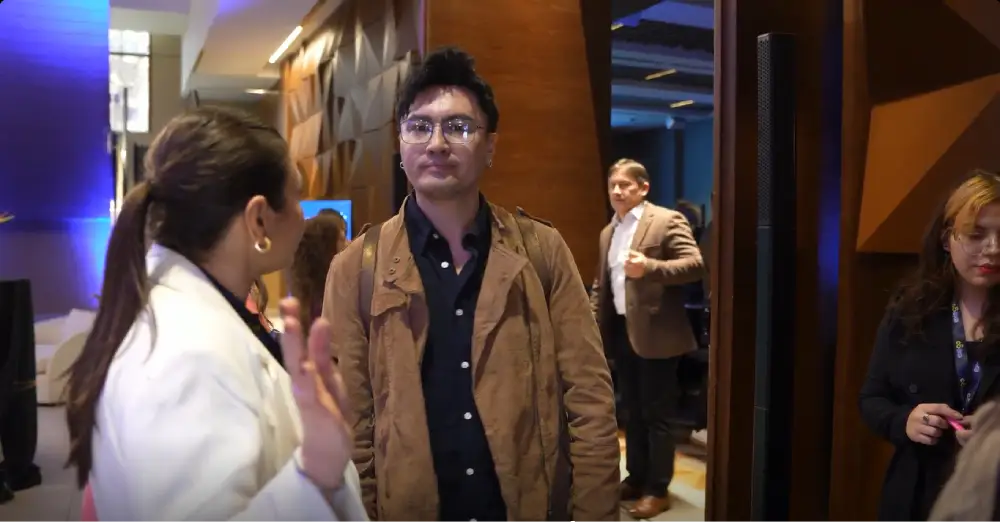
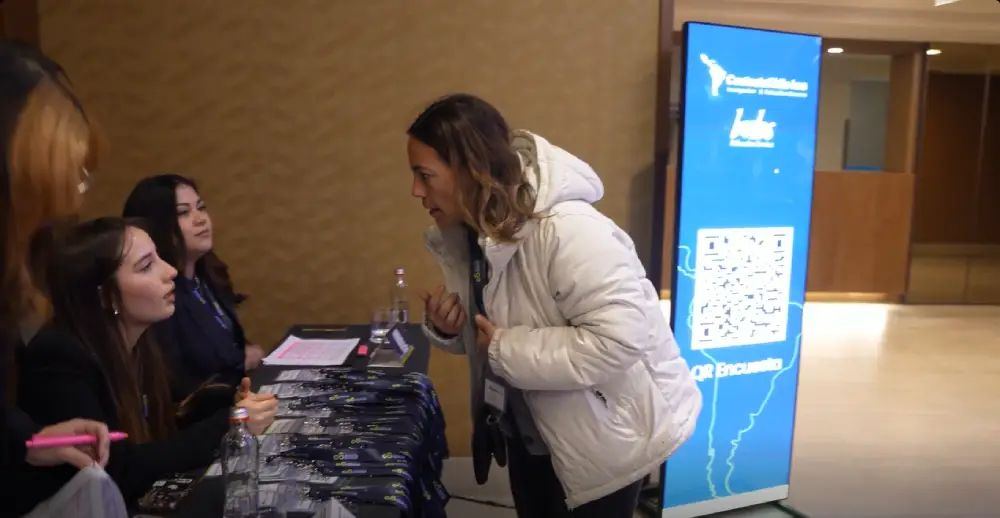
Here are some of the best moments from the day. We hope you’ll join us in this new chapter of Exego Global Mobility.
We move talent. We support people. We connect the region.